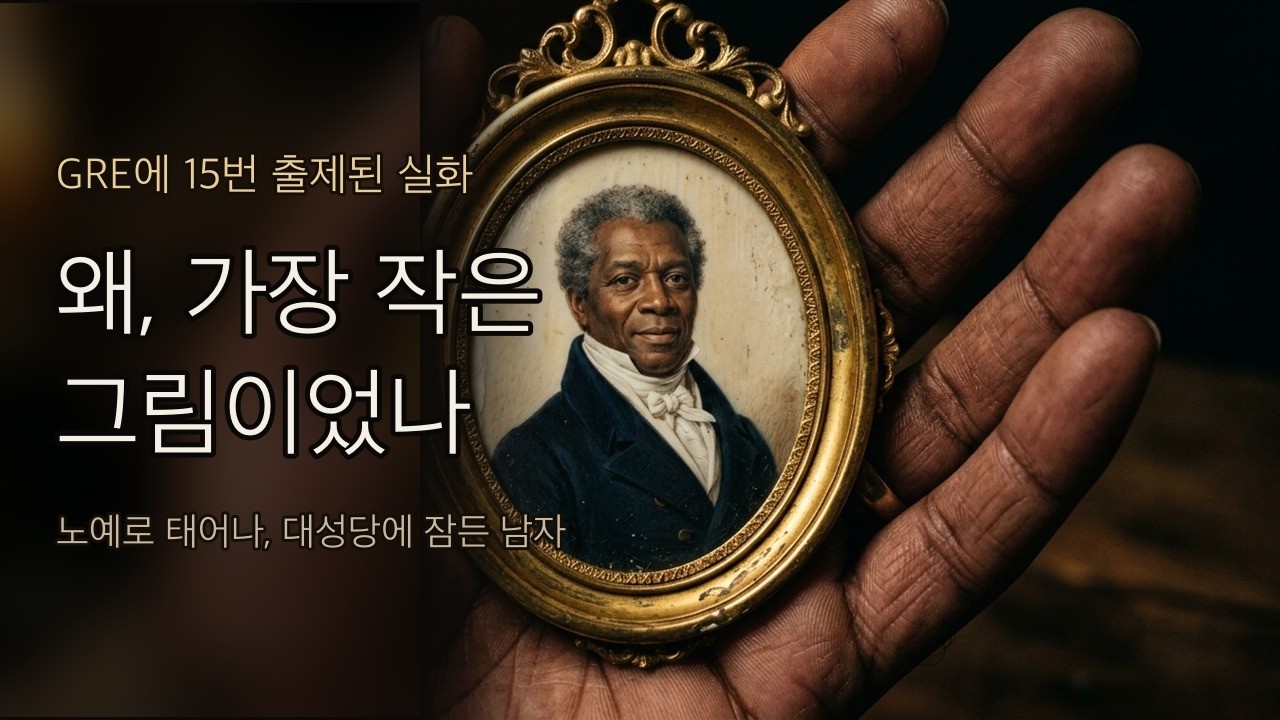
In 1825, emancipated slave Pierre Toussaint, who had become a successful New York hairdresser, commissioned miniature portraits of himself, his wife, Juliette, and his adopted niece. It was an unconventional choice. Judging by the extant evidence, those few antebellum African Americans who commissioned portraits chose bust-sized oil paintings, paintings that announced their status—their respectability, their prosperity, and their personhood—to the public at large. And, given the implicit publicity of these paintings, it is not surprising that so many represent men: African-descended ministers, activists, barbers, and men of affairs, men who were assuming positions of leadership within the North's free black communities. It is not clear why Toussaint, a public-minded man who was deeply involved in a variety of philanthropic efforts, diverged from this pattern by choosing to represent himself, much less his entire family, in a genre so closely associated with domestic intimacy. Perhaps he associated miniatures with the gentility and refinement of his wealthy clientele. Perhaps he was attracted to the genre's familial associations. Toussaint was, after all, a man who prized family, who expended great effort to preserve family ties against overwhelming odds; after moving to New York, he had tried repeatedly and unsuccessfully to recover family members who had been lost during the Haitian Revolution. Or perhaps miniatures recalled a pivotal moment in his own life, a moment that fused gentility, familial intimacy, and freedom, for when Toussaint's former mistress was on her deathbed, she bequeathed him her miniature portrait along with his freedom papers.
1The primary purpose of the passage is to
Aexplain the importance of a historical figure
Bevaluate the evidence used to support a claim
Cconsider the implications of a particular choice
Dcontrast the social meanings of two kinds of paintings
Eestablish the historical context for an artistic trend
2Which of the following is an assumption apparently underlying the author's discussion of Toussaint?
AToussaint's commissioning of miniature family portraits instead of bust-sized portraits was not significantly influenced by differences in the costs associated with the two genres.
BMiniature portraits of family members were not often commissioned by the same patrons who commissioned larger, more ostentatious portraits in antebellum New York.
CSuccessful antebellum African Americans in New York did not generally regard different genres of painting as reflective of different kinds of values.
DThe frequency with which African Americans commissioned family portraits increased significantly during Toussaint's lifetime.
EToussaint harbored highly conflicted feelings about the former mistress who bequeathed him her miniature portrait when she was on her deathbed.
3It can be inferred that the "extant evidence"
Agives the impression that a larger number of African Americans commissioned portraits during this period than was actually the case
Bindicates African Americans' preference for family portraits over individual portraits during this period
Creflects the popularity of large oil paintings of African American families during this period
Dincludes few miniature portraits of influential African American men
Esuggests that African Americans' portraits were generally painted by African American artists
정답
1번CRC-01 · 주제·목적
2번ACR-03 · 전제
3번DRC-02 · 추론
해설STEP 3
지문 해석
1825년, 성공한 뉴욕 이발사가 된 해방 노예 피에르 투생(Pierre Toussaint)은 자신과 아내 쥘리에트, 입양한 조카딸의 세밀 초상화(miniature portraits)를 의뢰했다. 이는 관습에서 벗어난 선택이었다. 현존하는(extant) 증거로 판단하건대, 초상화를 의뢰한 그 소수의 남북전쟁 이전(antebellum) 아프리카계 미국인들은 흉상 크기의 유화를 택했다 — 자신의 지위(존경받음·번영·인격)를 대중에게 알리는 그림이었다. 이런 그림에 내재한 공공성을 생각하면, 그 다수가 남성을 그린 것도 놀랍지 않다 — 북부 자유 흑인 공동체에서 지도적 위치를 맡아가던 목사·활동가·이발사·실무가들.
공공심이 강하고 다양한 자선 활동에 깊이 관여한 투생이 왜 이 패턴에서 벗어나 — 더구나 가족 전체를 — 가정적 친밀함과 밀접히 연관된 장르로 표현했는지는 분명치 않다. 어쩌면 그는 세밀화를 부유한 고객층의 품위·세련과 연관 지었을 것이다. 어쩌면 그 장르의 가족적 연상에 끌렸을 것이다. 어쨌든 투생은 가족을 소중히 여긴 사람으로, 압도적 역경 속에서도 가족 유대를 지키려 큰 노력을 기울였다 — 뉴욕 이주 후 아이티 혁명 중 잃은 가족을 되찾으려 거듭 시도했으나 실패했다. 혹은 세밀화가 그의 삶의 결정적 순간 — 품위·가족적 친밀함·자유가 융합된 순간 — 을 떠올리게 했을 것이다. 옛 여주인이 임종 자리에서 자유 증서와 함께 자신의 세밀 초상화를 그에게 남겼기 때문이다.
구조 분석
흐름 투생의 비관습적 선택 제시 → 당시 일반 패턴(흉상 유화·남성·공공성) → 왜 벗어났나(불명) → 가능한 이유 셋(품위 연상 / 가족 연상 / 자유의 순간)
태도 저자는 하나의 선택이 갖는 의미를 추측·탐구합니다. 단정하지 않습니다 — Perhaps가 세 번 반복되는 것이 결정적 신호입니다.
문항별 풀이
질문 1RC-01 · 주제·목적정답 C
신호어 primary purpose of the passage
C✓특정 선택의 함의를 고찰한다 — 글 전체가 “투생은 왜 세밀화를 택했나”라는 한 선택의 의미를 여러 각도로 추측합니다.
A✕역사적 인물의 중요성 설명 — 인물 자체가 아니라 선택에 초점이 있습니다.
B✕주장을 뒷받침하는 증거 평가 — 증거 평가가 주목적이 아닙니다.
D✕두 종류 그림의 사회적 의미 대조 — 대조는 배경일 뿐 핵심이 아닙니다. 가장 매력적인 함정.
E✕예술 사조의 역사적 맥락 — 사조가 아니라 개인의 선택입니다.
질문 2CR-03 · 전제정답 A
신호어 an assumption apparently underlying — 저자의 논의가 성립하려면 참이어야 할 것을 찾습니다.
A✓세밀화 선택이 두 장르의 비용 차이에 크게 영향받지 않았다 — 저자는 그 선택을 의미(품위·가족·자유)로 설명합니다. 만약 단지 세밀화가 더 쌌기 때문이라면 그 추측이 전부 무너집니다. 그래서 이것이 숨은 전제입니다.
B✕같은 후원자가 두 장르를 의뢰하는 일이 드물었다 — 논의 성립의 필수 전제가 아닙니다.
C✕장르를 가치 반영으로 보지 않았다 — 오히려 저자는 장르가 가치를 반영한다고 전제하므로 정면 모순입니다.
D✕가족 초상화 의뢰 빈도 증가 — 본문에 근거 없는 추가 진술입니다.
E✕옛 여주인에 대한 갈등 감정 — 본문에 근거가 없습니다.
질문 3RC-02 · 추론정답 D
신호어 It can be inferred — 본문에서 비약 없이 끌어낼 수 있는 것.
D✓영향력 있는 흑인 남성의 세밀 초상화를 거의 포함하지 않는다 — 현존 증거상 그들은 흉상 유화를 택했고 다수가 남성이었습니다. 따라서 그 증거에 (남성의) 세밀화는 거의 없습니다.
A✕실제보다 많은 수가 의뢰한 인상 — 본문은 those few(그 소수)라 하므로 정반대입니다.